
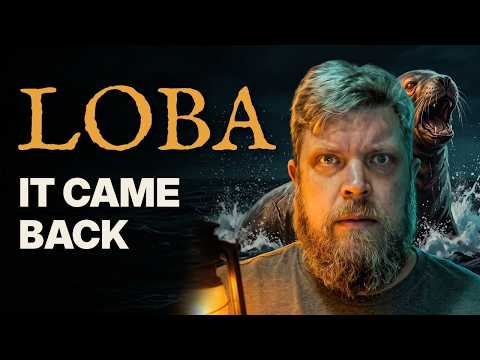
This file goes with the episode below. It isn’t a transcript. It’s the same case, set down on paper for anyone who would rather read it, or read it again. Nothing past the first sighting of La Loba is given away. Content note, in the author’s words: domestic violence, animal abuse and suicidal ideation. The cruelty toward animals, especially the sea lions, is graphic.
From the file room
Loba
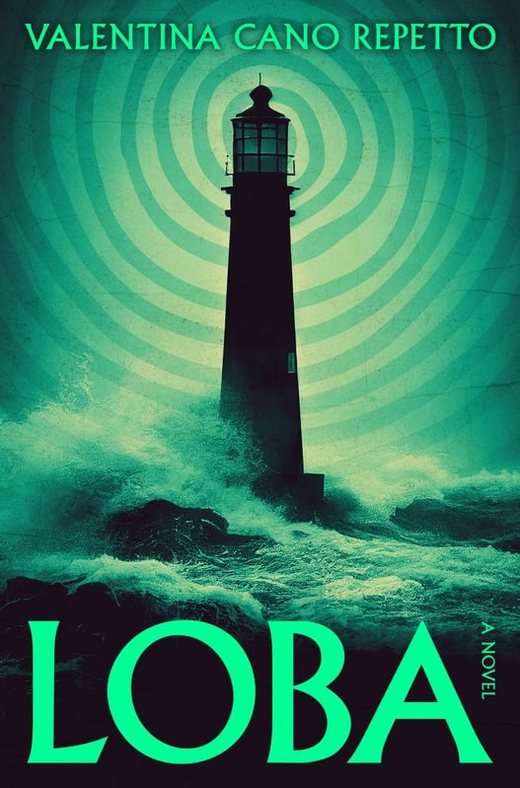
Valentina Cano Repetto’s lighthouse haunting, and a sea that keeps a tally.
A month to disappear
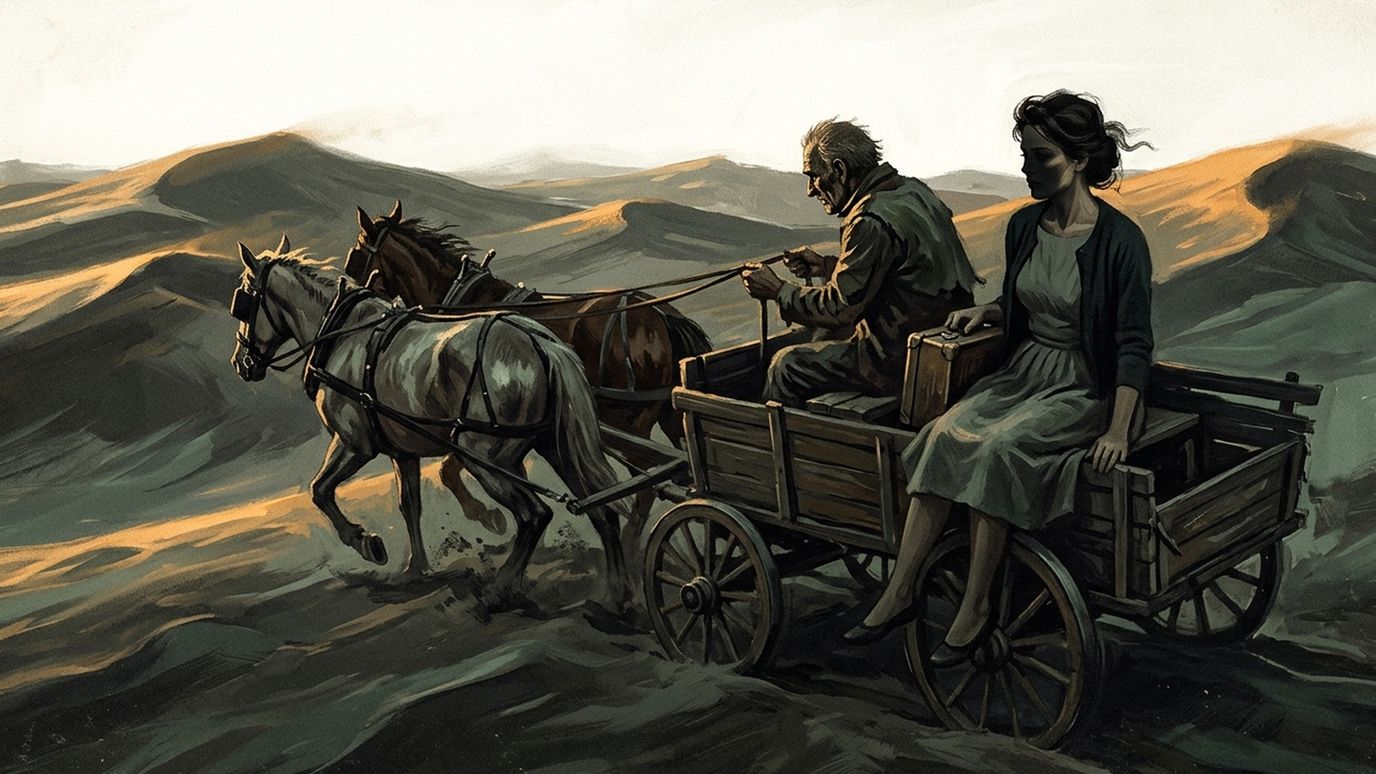
A woman climbs off a horse cart at the edge of the Atlantic with a letter in her hand and a month to disappear. The year is 1951, the place is Cabo Polonio, on the far eastern coast of Uruguay, and the woman is Delmira Torres. Her husband Santiago is the lighthouse keeper the navy appointed to this post. According to the letter, he’s held up at another lighthouse for a month and has sent his wife ahead to keep the light burning until he arrives.
Delmira has kept three lighthouses already, all of them beside him, and she has her own plan for this one. She’ll take the half pay the navy grudgingly offers, save every peso, and run for Brazil before the month is out. The village has other ideas. The fishermen tell her about La Loba, a woman from a hundred years ago who believed she was a sea lion, and who has haunted every keeper since. On her very first afternoon, a huge, scarred old sea lion comes up off the rocks and goes straight for her.
Señora Torres, stay off the ground floor at night. That’s where she appears.Jacinto, Chapter 2
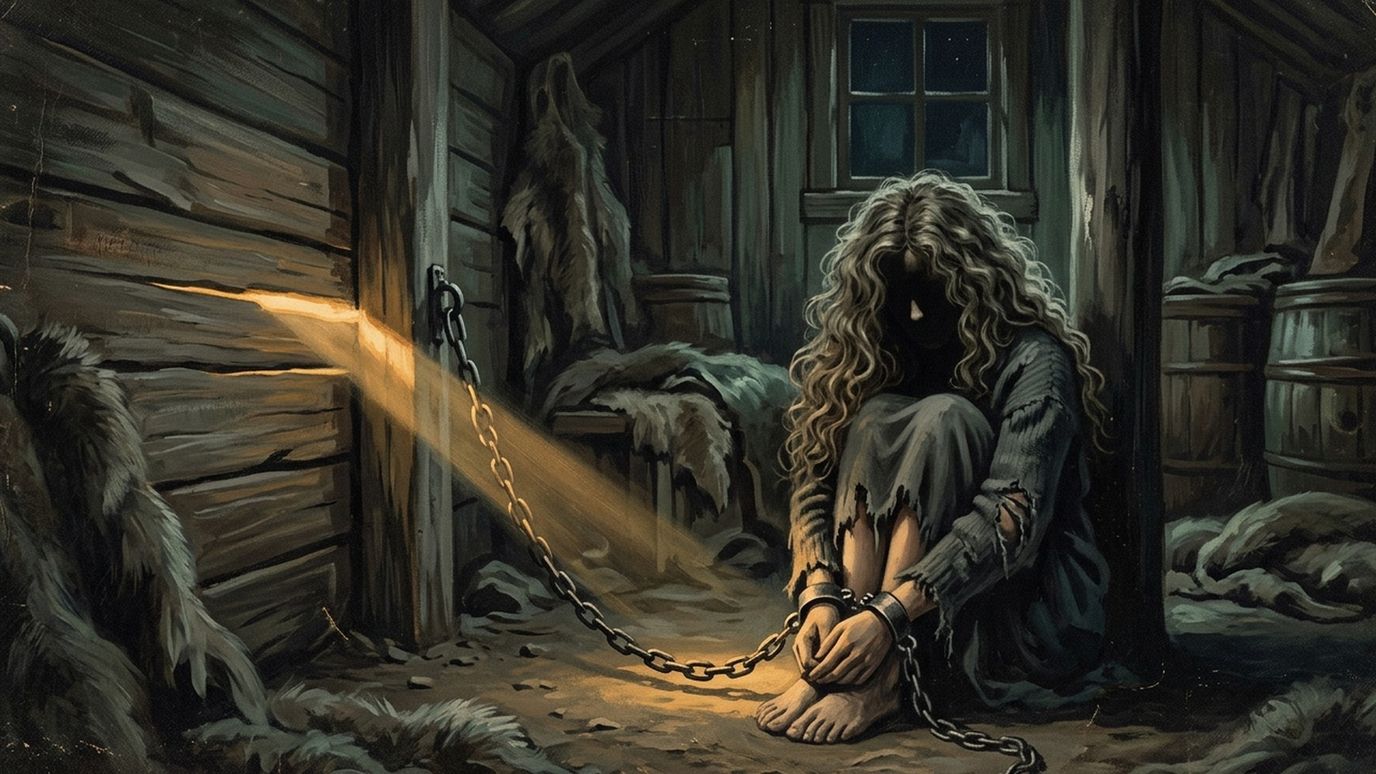
Then the book turns the clock back a century. In January 1852, on the same patch of rock, a young woman named Amalia sits chained to an iron ring outside a sealer’s hut. She is certain she is a sea lion. She believes the man who pulled her from a shipwreck tore off her pelt and hid it, and that without it the sea will never take her home. Their chapters alternate from there, a hundred years apart.
I think this book exists to ask what a woman does when the only story that might get her home is one nobody else believes. In the episode, Valentina reads the end of Chapter One herself. This file goes as far as the first sighting of La Loba, and not one step further.
A haunting that runs like a lighthouse
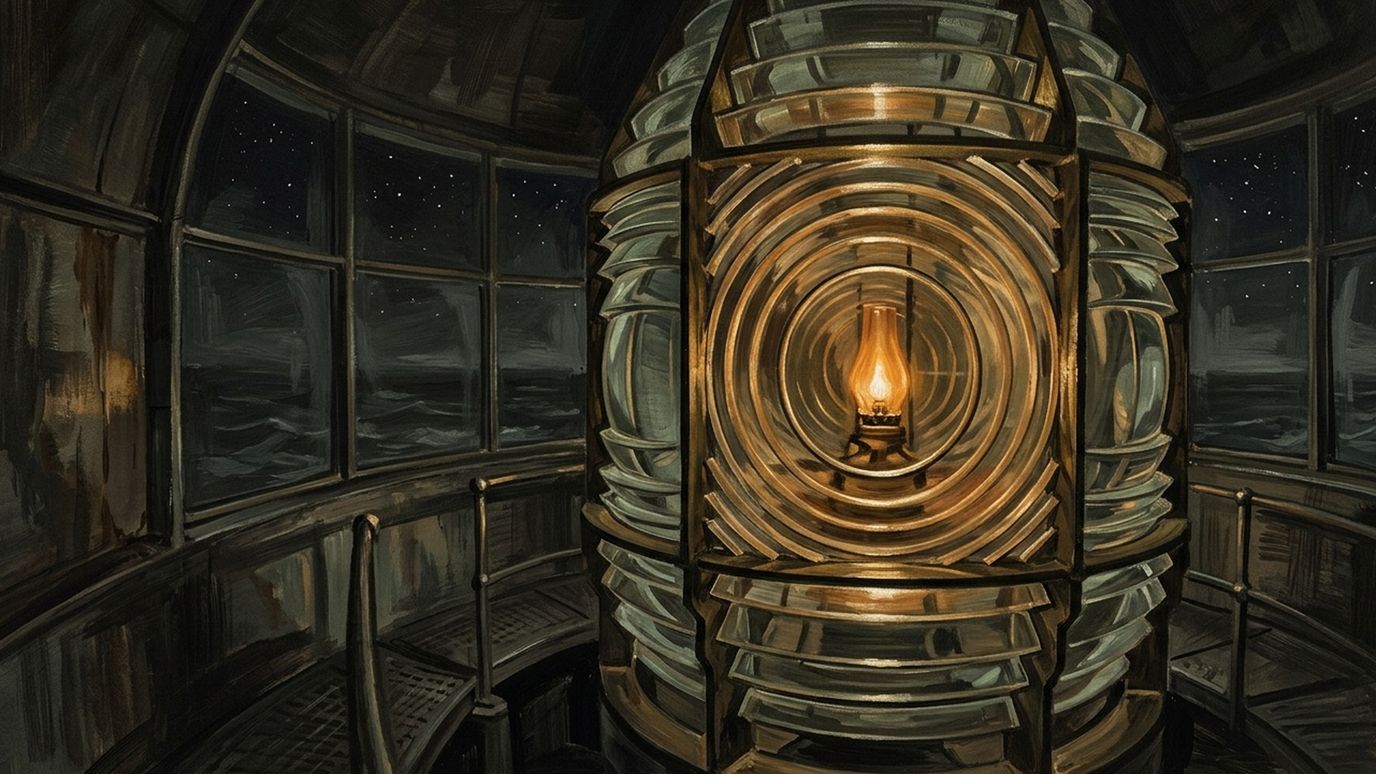
Plenty of gothic novels put a woman alone in a lonely building with a ghost. What sets Loba apart is that the haunting behaves like the building. A lighthouse is a machine. It turns on a schedule and flashes on a fixed count, and the keeper’s whole life is winding the clockwork that keeps it honest. La Loba works the same way. The village has watched her take keeper after keeper, and the people there know the order she does things in. First a playing card turns up, creased by the sea. Then the visions start. Then she points to the water, and after that it gets worse.
The machine is real, by the way. Valentina studied the near-identical Fresnel lighthouses of New England, their plans and their manuals. In her words, “My laptop is filled with manuals, so if I wanted to run a lighthouse myself, I’m pretty sure I could do it.”
The second thing is the way time leaks. Cabo Polonio is a place where watches stop and afternoons repeat, and Valentina says that came straight from the place’s real history; all she did was enhance it. The leak runs in both directions. In 1852, chained in that hut, Amalia hears a sound out of the dark that nobody around her can hear, and she describes it as the voice of an animal hundreds of times her size. She sees a beam of light sweep across the night, and she counts it.
It’s every twelve seconds.Amalia, 1852
In 1852, the Cabo Polonio lighthouse hadn’t been built yet. Amalia is seeing a light that doesn’t exist, a century before Delmira tends it. Valentina calls it a mutual haunting. By 1951, she told me, every other lighthouse in Uruguay had been electrified, and Cabo Polonio’s was the only one still run by hand.
Sailors’ hell
The third thing is the selkie myth. Selkie stories usually belong to Scotland and Ireland, but Valentina told me Uruguay has its own stories of women who are animals trapped in human shape, and she drew on a real Cabo Polonio legend: the seagull woman, raised by seagulls and able to speak only their language. Here, the stolen skin is the only story that lets a chained woman believe she still belongs somewhere. The book makes you sit inside that belief for a long time, and it is very careful about when, and whether, it lets you out.
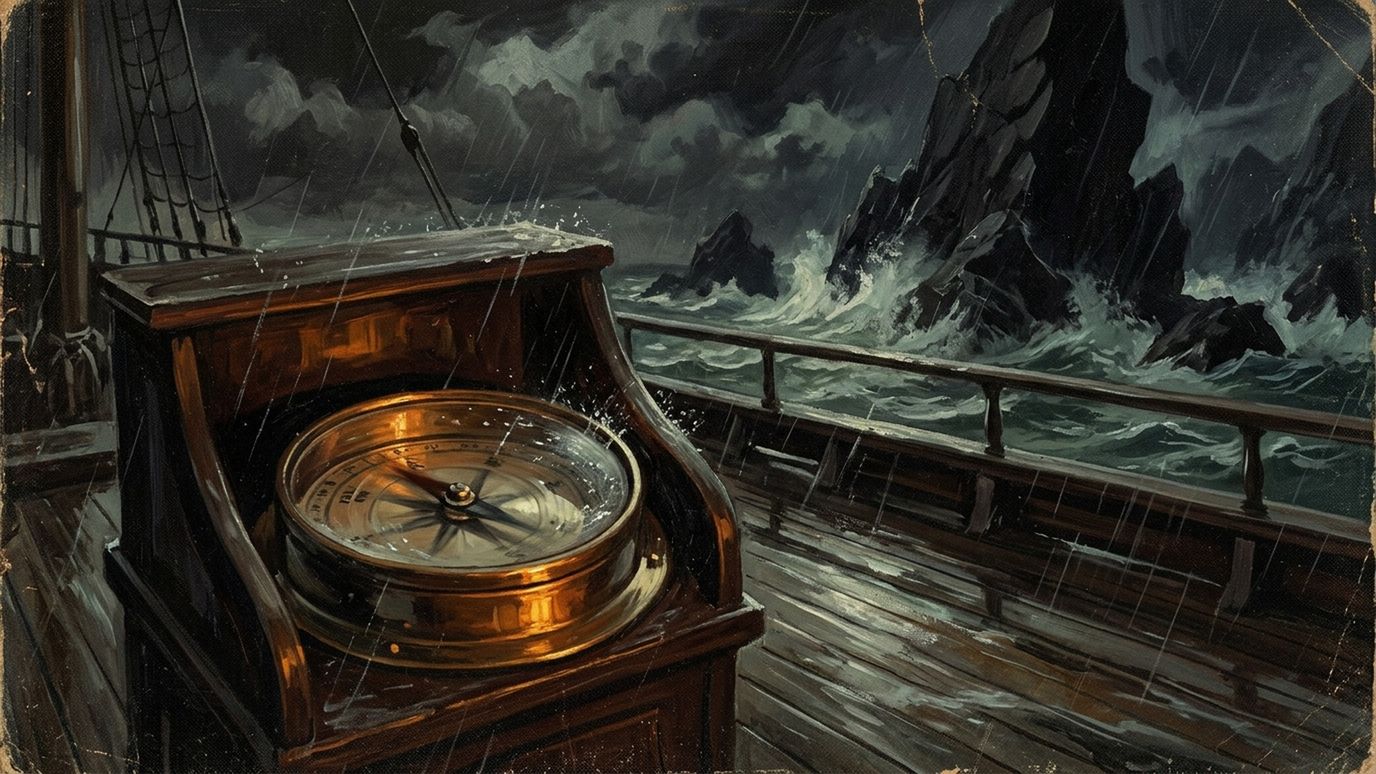
The last thing is the place itself, and Valentina told me it came first, before any of the characters. She grew up hearing about Cabo Polonio. Sailors called it sailors’ hell because, as the stories go, compasses and navigation instruments wouldn’t work there, and the wrecks piled up. Add a long history of sea lion hunting, and you have the seed of this book. There is still no road in, only horse and cart, and in the novel’s two timelines the dunes can rearrange the landscape in a few hours and leave you lost. By the end, the geography feels like part of the plot.
A singer at a watermill
I asked Valentina how she’d like to be introduced. In her words, she is “a horror writer and classical singer who was born in Uruguay, lived in Miami for 23 years, and now calls an 1800s watermill in Italy home.” Once you know about the singer, you can hear her in the rhythm of these sentences.
She was born in Montevideo to Italian and Latino parents, and she has said she has Charrúa native ancestry as well. Before the novels came poetry, nominated for the Pushcart Prize. Her debut novel, The Rose Master, came out in 2014, and her second, Sanctuary, came from CamCat Books in 2024. Loba is her third, a paperback original from Angry Robot, set in the country she was born in. In a 2024 interview for the Horror Writers Association’s Latinx Heritage in Horror Month, she said that Uruguay, small as it is, is full of magic.
In that same interview, the first author she recommended was Horacio Quiroga, the great Uruguayan writer of jungle tales and fevered short horror from the early twentieth century. I asked her why, and she said it’s his rawness: he lived in complete isolation, facing everything nature threw at him, and he had a way of describing how powerless we are against it. “I always seek to capture that rawness,” she told me, “even if it’s painful to write.” Lately she’s been reading modern Hispanic writers, especially women, and she named Isabel Cañas and Silvia Moreno-Garcia first. Her next novel is already with her agent: a Faustian story with a female serial killer, and, in her words, “always historical horror.”
Its company on the shelf
The two writers Valentina named as current inspirations are the two most obvious comparisons for this book. The publisher’s own pitch is Isabel Cañas’s The Hacienda meets The Haunting of Alejandra (V. Castro), and both are stories about marriage as a kind of haunting. Then there’s Silvia Moreno-Garcia’s Mexican Gothic (2020), Latin American gothic where the house and the family line are the trap, and inheritance is something that happens to the body.
Go further back to Jean Rhys’s Wide Sargasso Sea (1966), which gave the madwoman in Jane Eyre’s attic her own voice. Amalia is a chained woman everyone has decided is mad, and she gets her own chapters to tell you otherwise.
One more for the shelf is Mariana Enríquez’s Our Share of Night (in English, 2023), Southern Cone horror from just across the river in Argentina, where cruelty runs down a family line like an inheritance. It’s a much bigger, stranger book than Loba, but they share a conviction: the monsters are real, and the people around them are worse. As Valentina put it to me, “Human cruelty has always held horror to me, much more than ghosts and demons.” On screen, the obvious companion is Robert Eggers’s The Lighthouse (2019): two keepers alone on a rock, time slipping its moorings, sea mythology pressing in, and the great glass lens upstairs as an object of obsession.
An unbalanceable tally
Loba builds a machine, and it puts two women inside it, a century apart. I asked Valentina what the horror is really about, underneath. Her answer was one line: “The subjugation of the feminine, in all of its forms. From ‘Mother Nature’ to women.” It lines up almost exactly with the Archive’s pillars.
The dominant pillar is Pillar B, the Symmetrical Debt: horror as a closed loop of consequence. A fisherman named Jacinto sets out the book’s theology for Delmira early on. The sea, he says, has never cared much for people. We take everything that belongs to her, and she takes back what she can.
So she takes a few ships and a few lives when she can, trying to balance an unbalanceable tally.Jacinto
Everything in the novel is weighed on that scale. The sealers of 1852 club sea lions for oil and skins, and the lamp that lights their huts burns the animals’ own fat. By 1951 the trade has a name that passes from father to son: Jacinto’s father was a sealer, like his father and grandfather before him. Three generations, as Jacinto puts it, sharing violence and a name. The question under the whole book is whether a debt like that ever gets paid, or only gets passed on. The book answers it, and the answer is what I’m keeping back.
A voice installed
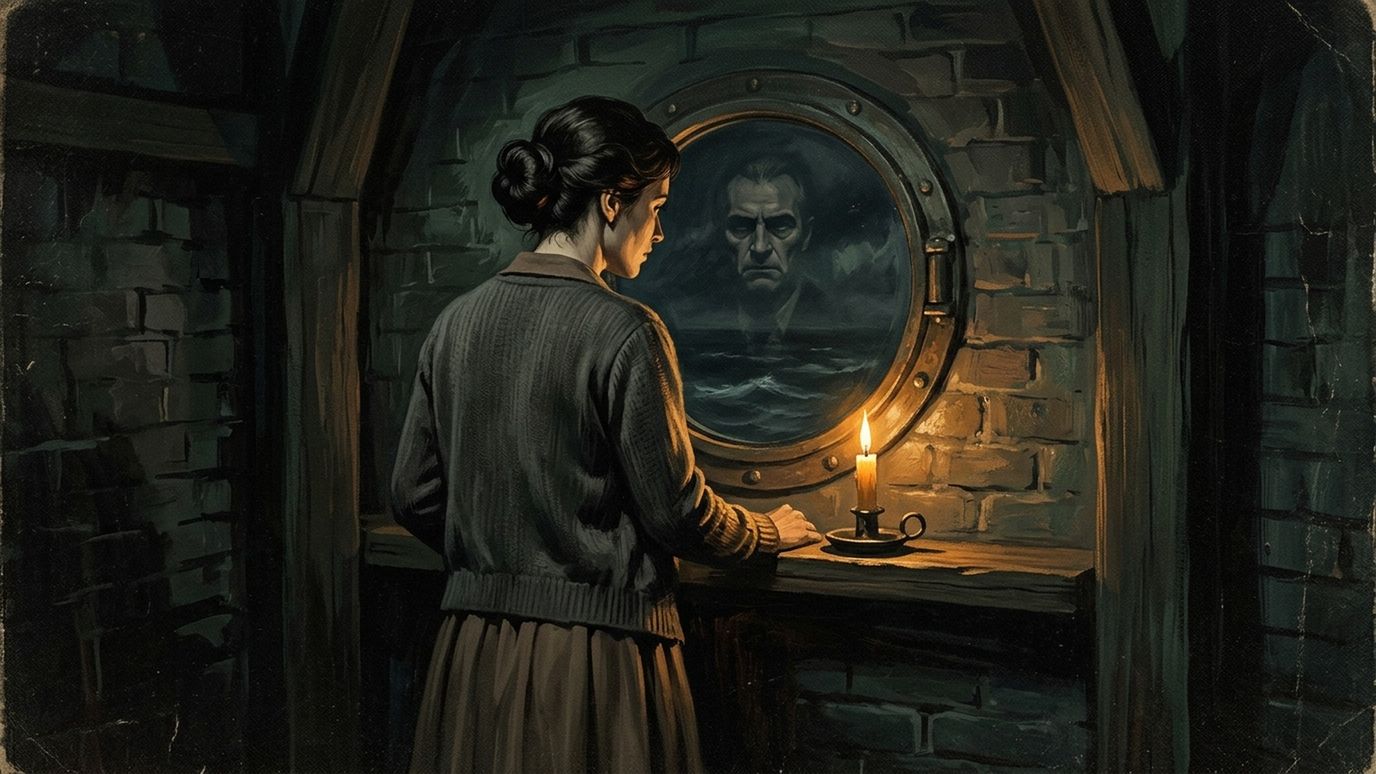
Pillar A, the Invasive Breach, is strong as well. For Delmira, the lighthouse is a sanctuary first, her escape route and her paycheck, and the book takes it apart floor by floor. The most frightening breach isn’t through the door at all. Delmira carries her husband inside her head. His voice interrupts her thoughts in italics, mocking her, and the book makes that voice so convincing that you start to flinch with her.
As stupid as ever, Delmira.Santiago’s voice, in her head
I asked Valentina about that voice, and her answer is the best description of it I’ve read: “the abuser has installed a piece of themselves in their victim.” Delmira spent ten years with Santiago, so getting rid of his voice and learning to trust her own takes tremendous effort.
Santiago used to tell her the turning lens was the only jewel he could ever give her. Delmira turns that line into an inventory of her bruises: bracelets of sapphire and topaz, a misshapen ring of onyx on her thumb. “I’d been rich in the jewels his blows had given me.”
Built in mirror image
Against Santiago, the book gives us Jacinto, a fisherman who lives closer to the sea lions than to the village. Valentina told me she wrote him to represent everything healthy masculinity can offer: willing to help without needing to possess, aware of how much harm he could do, and choosing not to.
That brings us to Pillar C, the Experimental Psyche, and here the novel does its finest work. Both narrators’ minds are traps, built in mirror image. Amalia is certain she is an animal, and she treats every human memory that surfaces as an infection.
Had it been this mind again, growing like fungus on my true brain?Amalia
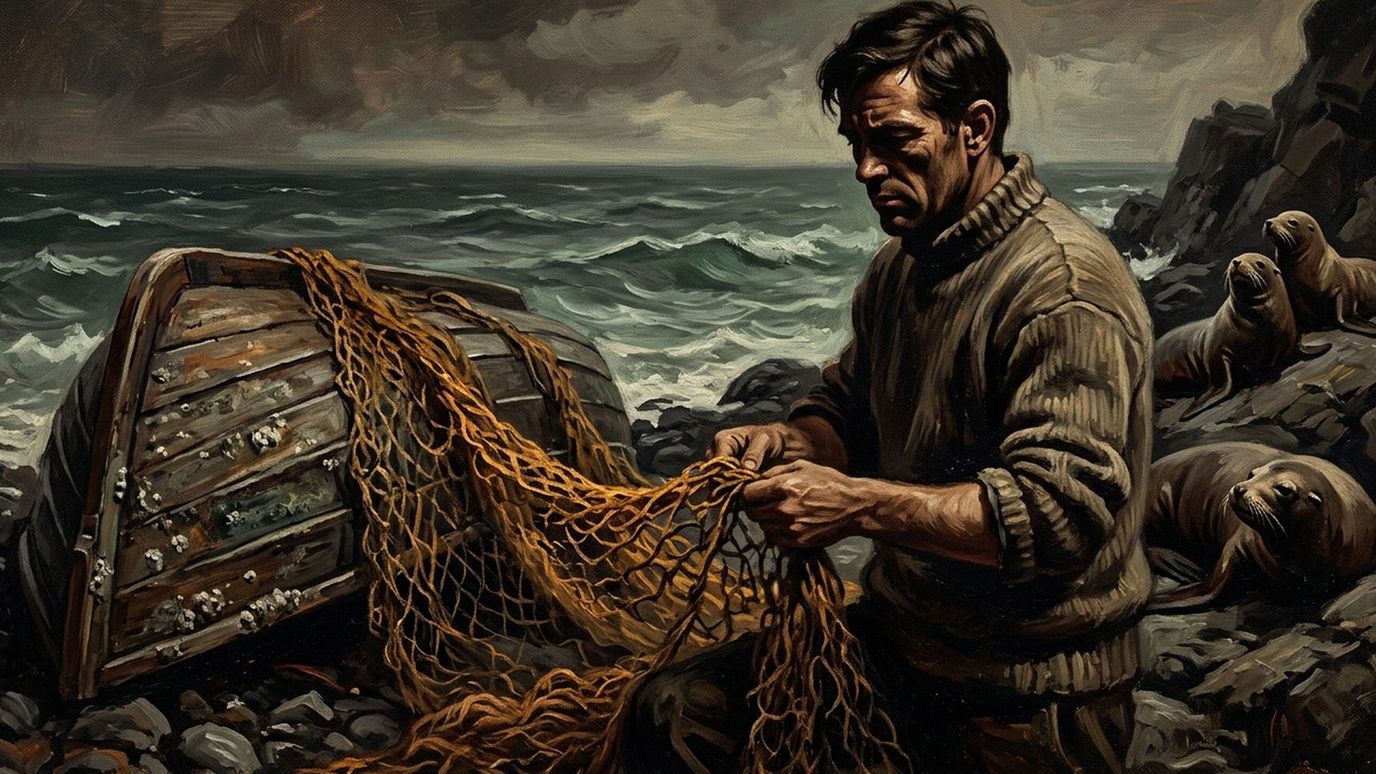
Delmira, meanwhile, is certain she is human and sane, and she treats her own body’s flinches as foolishness. Valentina told me Delmira was the harder of the two to write: she needed “a voice that had been muted for so long that it didn’t trust itself.” Amalia, by contrast, had to be pure rage. My favorite line in the book is Delmira’s. Mending nets with Jacinto, she wipes her forehead and watches him go tense at the movement, and it sets her thinking about how many of her husband’s ordinary gestures once emptied her of appetite. “Versions of pain spring-loaded into the mundane.”
What the novel does with those two minds, how each one turns out to hold the key to the other, is its real architecture, and I won’t touch it. On a second read, watch the stairs in Chapter Five; there’s a sentence there you’ll meet again. And watch the spirals: the iron staircase, the dead keeper’s logbook where the handwriting coils inward, and both women, a hundred years apart, scratching spirals with a thumbnail without meaning to. The book never lets that shape be decoration. Where it comes from is one of the best-hidden answers in the novel.
Nature keeps accounts
On the Lovecraft Metric, two markers are clean and one is open for argument. Interface as Skin is literal: skin in this book is something that can be taken off. Algorithmic Illusion is the haunting itself, a fixed sequence people have learned to predict, with a beam every twelve seconds. Biological Nihilism is the contested one, and the author settles it. The sea is hostile to us as a species, but she isn’t indifferent. Valentina wrote her as someone who has had just about enough: “I’m a firm believer that nature remembers what is done to her. And she keeps a tally.” An indifferent universe doesn’t keep accounts.
Structural integrity, and where it strains: the first act is patient, and the middle of Amalia’s captivity repeats its beats before the turn. The men of this book, Jacinto aside, are cruel in nearly the same way, so the villains blur together. From the midpoint, though, it accelerates hard and barely stops.
The finding: Loba builds its haunting as a machine, runs two women through it a century apart, and then asks who has been keeping it wound.
An early record
This one is brand new, so the reader record is still small. When I checked in early November, Goodreads had it at 4.25 from sixteen ratings, all from before release day. The NetGalley reviewers who had posted were warm: one consumed it in a single session, another called it “a hell of a swing of a horror novel,” and a third wrote only, “Oh wow. I devoured this.” The writers who blurbed it reached for teeth. Grace Morrow called it “as haunting as a sea lion’s call,” and Eli Snow called it “a yell of defiance against generational trauma, violence, and misogyny.”
There isn’t a detractors’ camp on record yet, so here’s where I expect one to form. The first act takes its time, and readers who come for nonstop scares may drift before the halfway turn. And the content warnings matter. The animal cruelty in particular is graphic and deliberate, especially toward the sea lions. That will be the line for some readers, and I’d rather you know it going in than find it on page one hundred.
The darkness is human
Some horror stories frighten you with what might be lurking in the darkness. Others make you question whether the darkness is really the most frightening thing in the room. Loba manages to do both.
The dual-timeline structure is one of the novel’s greatest strengths. Rather than treating the earlier story as background, Cano Repetto gives Amalia her own identity, her own suffering and her own complicated relationship with the world, and as the two narratives unfold, their similarities become increasingly unsettling. The setting deserves particular recognition: the lighthouse, the rocks, the caves and the restless Atlantic make a place where the natural world seems to have a consciousness of its own. The sea becomes a force with its own memory, temperament and rules, and the folklore of the loba gives the story an identity distinct from the more familiar European gothic and werewolf traditions.
But perhaps the most effective horror here is human. Delmira’s experience of abuse and manipulation gives her story an emotional foundation that makes her struggle for independence compelling, and her relationship with Jacinto shows how unfamiliar real kindness can become to someone who has spent years anticipating cruelty. Cano Repetto also resists making her characters uncomplicated victims or heroes. Suffering doesn’t automatically make someone forgiving, and survival doesn’t necessarily produce a conventional happy ending.
The writing is richly atmospheric, occasionally to the point of excess, and some emotional passages would hit harder with a little more restraint. The alternating timelines can interrupt momentum now and then. Those are minor reservations. The ending is especially satisfying: it respects the mythology and the journey the book has built, and it doesn’t try to explain away every mystery or neatly repair everything that has been broken.
Four and a half stars on Goodreads, five on Amazon. Loba is a compelling blend of gothic horror, folklore, historical fiction and psychological horror. The monster may come from the sea, but the darkness that gives this story its teeth is unmistakably human. It’s chapter seventeen of this year’s Ledger of Dread, filed under the Symmetrical Debt. Everything I held back goes into the Ledger when it’s compiled at the end of the year. If you’ve read it, keep the ending to yourself, for the people still climbing the stairs.
A word to readers
This is a story of great love and great pain, and I’m immensely grateful to be able to share it.Valentina Cano Repetto
Valentina asked me to pass her thanks on to every reader who picks up this dark tale and takes the time to read it. Thank you, Valentina, for the answers, and for the reading. Her full answers are on her Author Spotlight page.
In the Library
My copy came from the author, offered to Horror Writers Association members for Bram Stoker Award consideration. She also answered my questions and recorded the reading for the episode. Nothing else was exchanged: no payment, no arrangement.
Plain links only, no affiliate links. Every quotation from the novel was checked against the text; Valentina’s words are from the answers she gave for the episode. Stills are from the episode.