Case file · November 18, 2026
The Sound That Shouldn't Exist
The Sound That Shouldn't Exist
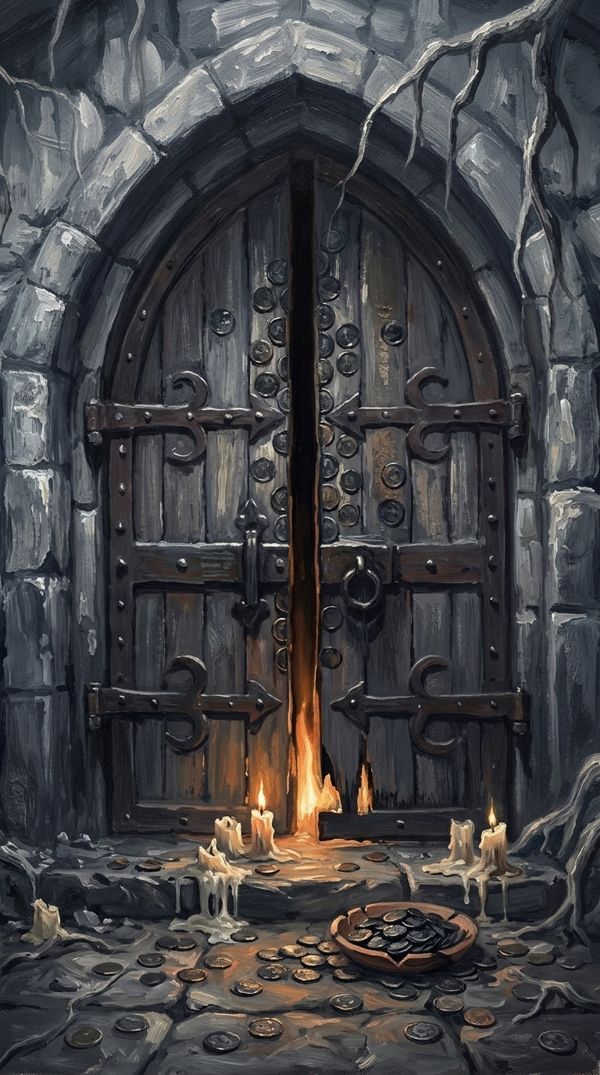
The Doors Below
Find funding. Find the people who back writers. Learn what went wrong for other indie authors. Pitch your book to bookshops near you. Have your draft read. Six doors are open.
Every door is free to use, with one paid exception: behind Door IV, a close read of your draft's opening, for $85.
Freshly unearthed

The Sound That Shouldn't Exist
From the shelves
L. Marie Wood's Red Thread Saga is complete today. Kismet, the fifth and final book, is out from Mocha Memoirs Press.
The saga began with The Tryst on Valentine’s Day and finished within a single year: The Tryst, Origins, Imprint, Déjà Vu, Kismet.
Wood calls it slipstream: romance runs underneath, mixed with horror, science fiction, thriller and mystery in different measures. It begins with three strangers, Nicole, Mark and Eric, who meet in a town none of them knew and find they’re exactly where they were supposed to be. Again.
The Archive has been reading the saga from the start, and a full reading of it, and of Wood's wider body of work, is on its way. Today is simply for the release. Start with The Tryst.
Wood is also the creator of Existential Critical Theory, the second lens every Archive reading now uses.
The old reels still run. A different one every visit.
Short things, told in the dark.
 The Latest Case: Where New Horror Book Reviews Land | Site Tour, Part 2
 The Shelf of Record: Architects of Horror & the Ledger of Dread | Site Tour, Part 4
 The Doors Below: Free Tools for Indie Writers | Site Tour, Part 7
 The Reliquary: Horror Merch That Funds Writers | Site Tour, Part 6
 The easiest way to create a book trade sheet
Written in the cellar
The map the Archive reads by, and the record of what it found.
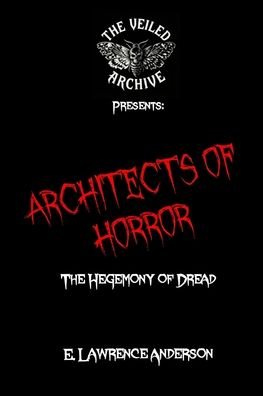
The map. How fear has been built, from antiquity to the digital age: the record of where and when each form of dread was first made, and the standard every case in the Archive is measured against.
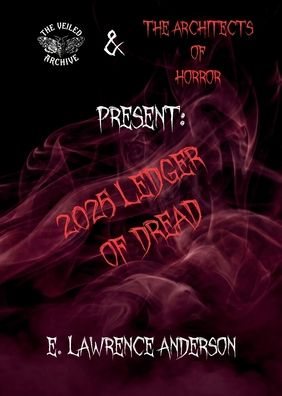
Every case from a year in the cellar, bound in one book. The 2025 Ledger holds twenty case files. The 2026 volume is still being written.
Every book that comes down here is read against three ways horror is built.
The Lovecraft Metric then looks for cosmic dread, through three markers: Interface as Skin, Algorithmic Illusion, or Biological Nihilism.
Pillar count is a profile, not a score. Most books commit to one or two. In the whole 2025 Ledger, two authors met all four measures in earnest. What matters is which architecture a book chooses and how cleanly it holds, and an absence says as much as a presence.
The whole method, and the history it rests on, is in Architects of Horror.
From November 2026, every new reading also looks through a second lens, built from elements of Existential Critical Theory (ECT), the critical framework created by L. Marie Wood and introduced in NightTide Magazine. ECT doesn't ask what a book means. It asks what happens when the systems that hold reality together (knowledge, existence and causality) are switched on, squeezed or broken, and how the characters respond.
The Archive borrows these elements of her work, under her names for them:
Her tenets, Separation, Oversaturation and Fluidity, help name how a book's world comes apart, kept separate from any judgment of the craft.
Existential Critical Theory, with its pillars and tenets, is L. Marie Wood's work, cited here with her permission. The Archive's pillars keep their names and hers keep theirs. Wherever her framework shapes a finding, in an episode, a written file or the Ledger, she is credited: "Read alongside L. Marie Wood's Existential Critical Theory."
Author Spotlight
Authors who took the Archive’s questions and answered them in full.
Things carried out of the Archive. Half of what each one earns goes to the Speculative Literature Foundation, to fund the writers who come after.
Friends of the Archive
For writers who want their book to be heard as well as read.
The music you hear down here, the Archive's own theme, is theirs.
Black Hollow Choir is an independent collective of veterans, family and friends who make dark, cinematic music out of the stories that live in the shadows: Appalachian horror, gothic dread, the psychological and the cosmic. Every track is shaped to the world of the book behind it. What began as scoring underground novels has become their mission: amplifying independent creators through music.
Put plainly, they are some of the best people the Archive has worked with. If your book needs a sound, start here.
Wrote something dark? Tell the Archive about it. Every note is read by a person. Not every book is chosen.
Letters from the Archive
New exposés, doors as they open, and the odd thing dug up between them. Sent when there is something worth telling, not on a timer.